Turn Your Brain Farts Into Glittering Piles of Shit
Finally, you can create music without the inconvenience of effort
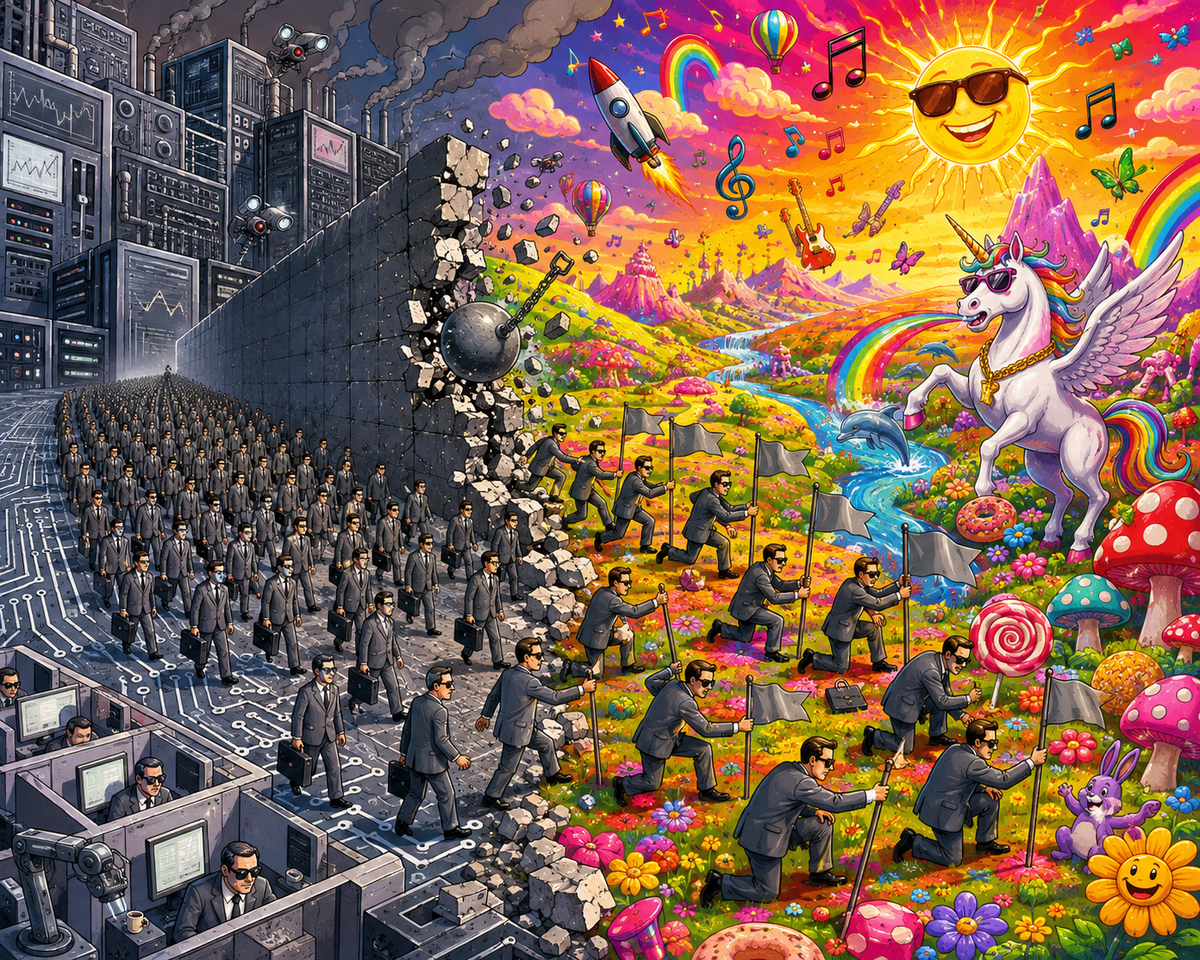
Musicians of the world rejoice, it’s now possible to turn your creative brain farts into a great, big, glittering piles of shit.
Unless you’ve been living under a rock, you’ve probably heard of Suno — the AI music tool designed to “amplify your imagination”.
Co-founded by four machine learning engineers and lifelong allies of the creative class, Suno solves one of musicians’ biggest problems.
Not the parasitic relationship between the artists and the platforms that profit off them. Or the flagrant copyright violations that keep them poor. No, Suno got to the real problem; the one that has vexed musicians for millenia — the problem of actually creating music.
Mikey Shulman, CEO of Suno and Harvard physics PhD, blessed us with this absolute banger of an insight in a podcast interview:
"I think the majority of people don't enjoy the majority of the time they spend making music."
So, Mikey and the tech bros set off on a mission — to liberate musicians from the pains of making music.
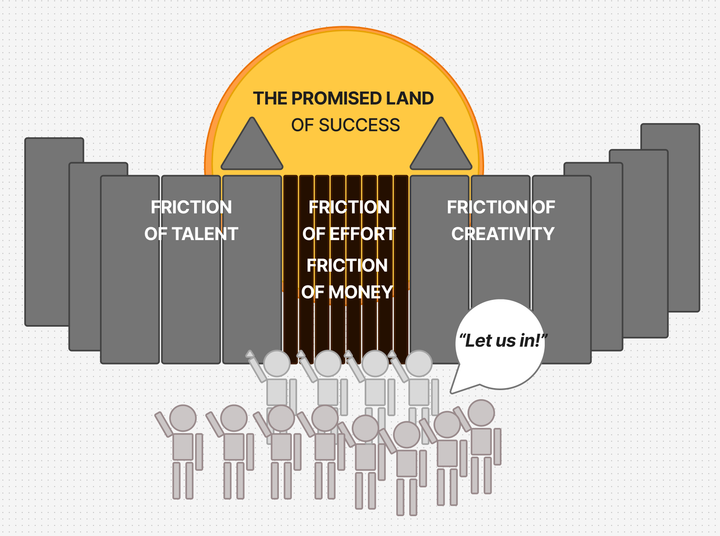
But it wasn’t just musicians they were out to help. Their vision was far bigger — to make music creation accessible to everyone, regardless of technical skill or musical background. To knock down the barriers of talent and effort, and make it easy for anyone with a laptop and a pulse to prompt a hit song in seconds.
Because why should music creation be the domain of people who spend time creating music?
Why indeed.
Music has always been the exclusive domain of the creative class; uppity dreamers looking down upon the everyman. Judgemental know-it-alls who believed music required effort, practice and maybe even a little bit of talent.
Luckily, Suno changed all that. And they did so in the most Robin Hood way ever.
They robbed the creatively rich to enrich the creatively poor.
To build a model capable of generating music from a prompt, you need to train it. So they scraped millions of songs created by real human artists, extracted the patterns, and distilled the uniqueness of human creativity into a machine learning model.
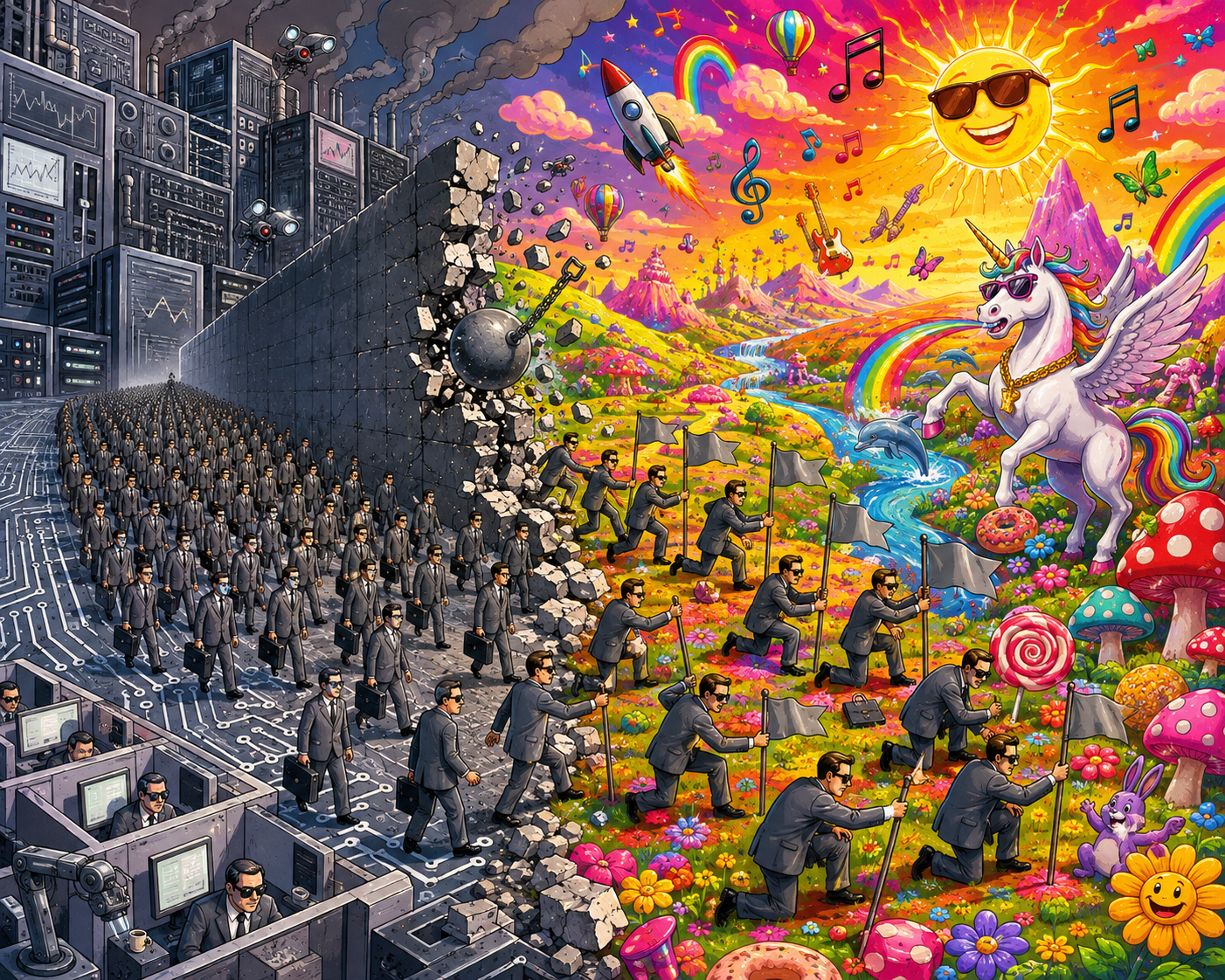
In a classic case of the left-brain army surging past the border walls and building settlements in the right-brain promised land, musicians are left with mixed feelings.
When Steve from accounting excitedly shows the new song he’s written — a country hip-hop fusion about the office lunch thief — the musician doesn’t quite know how to respond. Firstly, because he’s the one been stealing Steve’s lunch. Secondly, because the song is, unfortunately, catchy as fuck.
And this is the problem AI music creates. It’s not cut and dry. While the instinct is to resist it, creatives are reminded of similar resistance to synthesizers, digital recording studios, auto-tune, and all kinds of technological advances over the years.
So maybe Suno is indeed the harbinger of doom that will kill music forever. Or maybe it’s the excited first thrust into AI-generated music. A little reckless and irresponsible, sure, but something that can eventually be sharpened and used as a helpful tool for musicians, rather than a novelty to replace them.
Time will tell whether musicians, contrary to Mikey’s observation, do actually enjoy making music, or if they prefer to just prompt their way to a hot track and the next release.
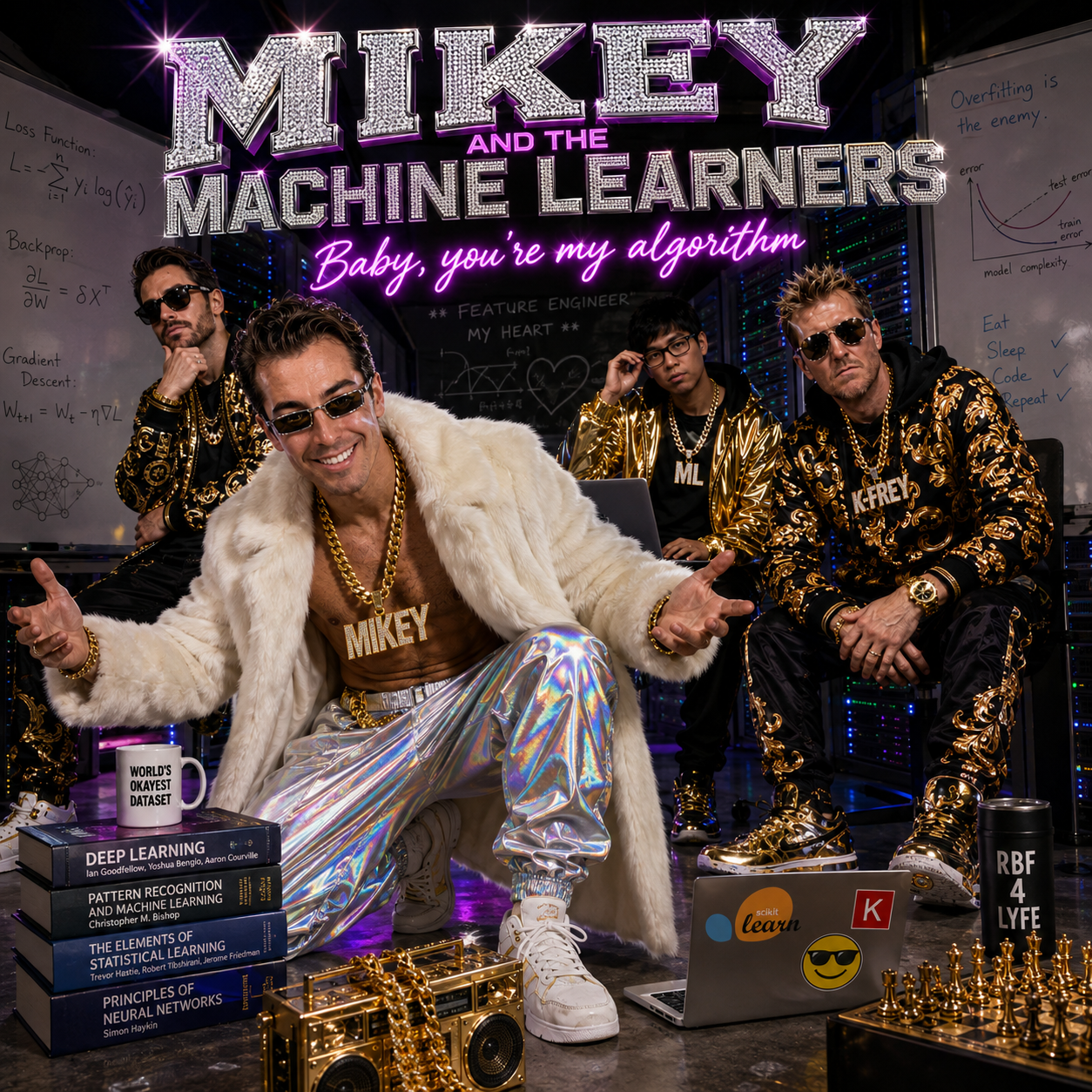
In any case, they’ll have competition. Mikey and the Machine Learners have just dropped their next banger — Baby, You’re My Algorithm.
Adrian J. Stewart
If you enjoy, consider subscribing to my substack. It’s free.
Comments ()